


Why Professional Commercial Painters in Riverview Matter for Business Spaces
First impressions play a significant role in how customers, employees, and business partners perceive a commercial property. The appearance of an office building, retail store, healthcare facility, or industrial space reflects the professionalism and standards of the organization operating within it. This is one reason many businesses seek experienced Commercial Painters in Riverview when planning maintenance or property improvement projects.
Commercial painting involves much more than applying a fresh coat of paint. It requires strategic planning, knowledge of different surfaces, understanding safety standards, and selecting products that can withstand the demands of high-traffic environments. A well-executed painting project can enhance aesthetics, improve durability, and contribute to a more welcoming atmosphere.
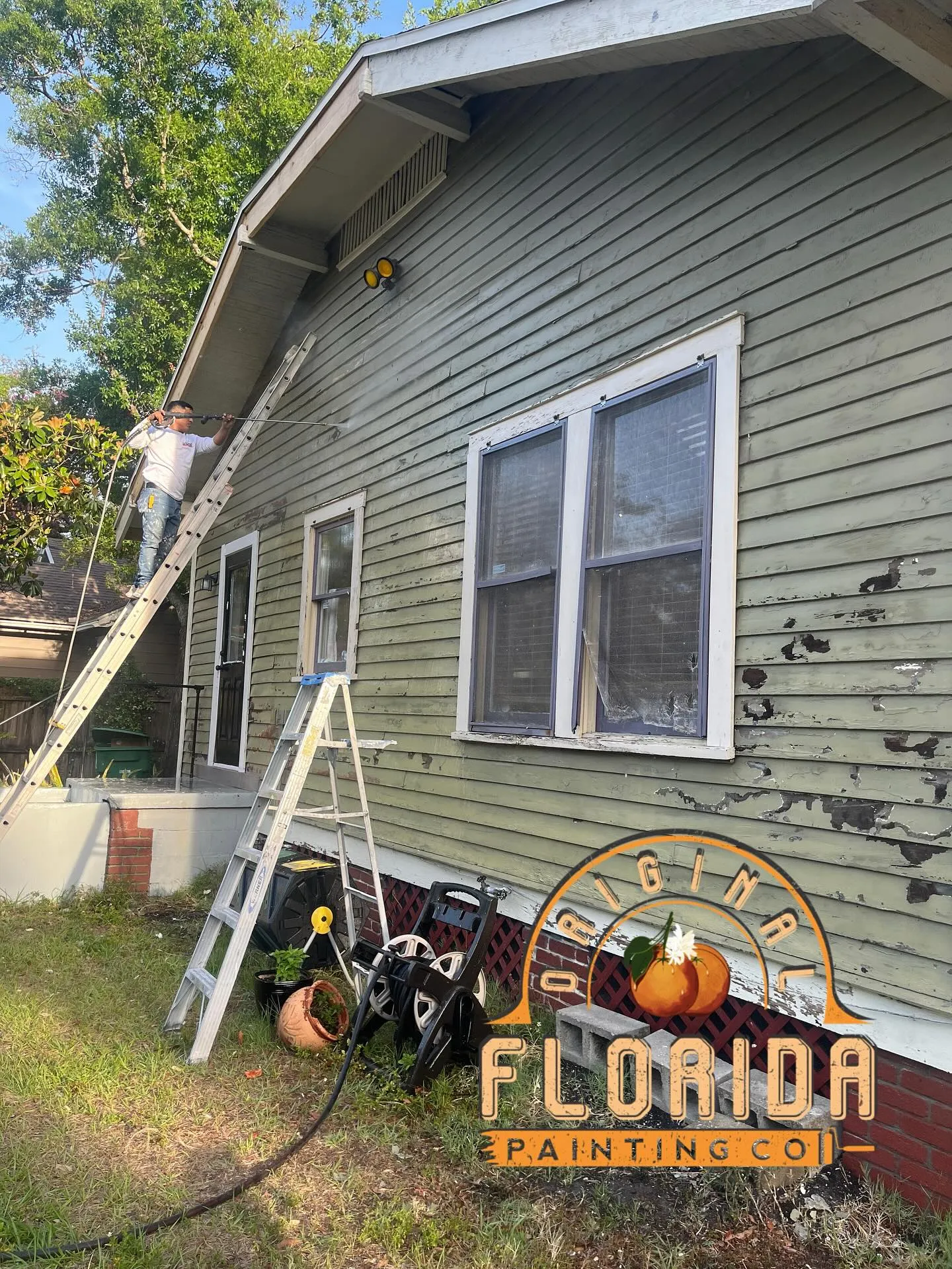
The Importance of Maintaining Commercial Properties
Commercial properties are exposed to constant wear and tear. Daily foot traffic, environmental conditions, and operational activities can gradually affect walls, ceilings, and exterior surfaces. Peeling paint, fading colors, and visible damage may negatively impact the image of a business.
Regular painting maintenance offers several benefits, including:
Improving the property's overall appearance
Protecting surfaces from environmental damage
Extending the lifespan of building materials
Creating a more pleasant environment for employees and visitors
Supporting a professional business image
For businesses that rely heavily on customer interactions, maintaining an attractive appearance can be particularly important.
Understanding Commercial Painting Services
Commercial painting differs significantly from residential painting projects. Larger spaces, strict timelines, and specialized requirements often make these projects more complex.
Common commercial painting projects include:
Office buildings
Retail stores
Restaurants and hospitality venues
Educational institutions
Healthcare facilities
Warehouses and industrial buildings
Apartment complexes
Government buildings
Each type of property may require different preparation methods, coatings, and scheduling considerations.
The Role of Surface Preparation
One of the most critical aspects of a successful commercial painting project is surface preparation. Proper preparation ensures better paint adhesion and longer-lasting results.
Preparation activities may include:
Cleaning Surfaces
Dust, grease, mildew, and contaminants can interfere with paint performance. Thorough cleaning helps create a suitable foundation.
Repairing Damage
Cracks, holes, water damage, and deteriorated surfaces should be addressed before painting begins.
Sanding and Priming
Sanding creates a smooth surface, while primers help improve paint adhesion and durability.
Protecting Surrounding Areas
Furniture, equipment, flooring, and fixtures often require protective coverings to prevent accidental damage during the project.
Skipping these preparation steps can compromise the final outcome and reduce the longevity of the paint job.
Choosing Appropriate Paint Products
Commercial environments have unique demands that influence paint selection. The right products can enhance durability while supporting maintenance goals.
Factors often considered include:
Durability
High-traffic areas benefit from coatings designed to resist scuffs, scratches, and frequent cleaning.
Moisture Resistance
Bathrooms, kitchens, and healthcare facilities may require moisture-resistant products to prevent mold and mildew growth.
Low-VOC Options
Low volatile organic compound (VOC) paints can contribute to improved indoor air quality during and after application.
Specialized Coatings
Industrial settings may need coatings that resist chemicals, abrasion, or extreme temperatures.
Selecting appropriate materials helps ensure the painted surfaces continue performing well over time.
Benefits of Professional Commercial Painting
Businesses often view painting as an investment in their property's appearance and preservation.
Some key advantages include:
Enhanced Visual Appeal
Fresh paint creates a clean and inviting environment for employees, customers, and visitors.
Increased Property Value
Well-maintained buildings often retain their value more effectively than neglected properties.
Surface Protection
Quality coatings help shield surfaces from moisture, sunlight, and environmental exposure.
Improved Workplace Environment
Color selection and overall aesthetics can influence employee satisfaction and productivity.
Positive Brand Perception
Although painting itself is not a branding exercise, an attractive business environment can support a positive impression among stakeholders.
The Importance of Scheduling Flexibility
Commercial properties often operate on tight schedules that cannot accommodate major disruptions. Painting projects frequently require careful planning to minimize interference with daily operations.
Strategies may include:
Working during evenings or weekends
Completing projects in phases
Coordinating with facility managers
Establishing clear communication regarding timelines
Effective scheduling helps businesses continue operating while improvements are underway.

Interior Commercial Painting Considerations
Interior spaces influence how people experience a business environment. The choice of colors, finishes, and maintenance strategies can impact both functionality and aesthetics.
Important considerations include:
Color Psychology
Different colors may evoke various responses. For example:
Blue tones often create a sense of calmness.
Green shades may promote balance.
Neutral palettes provide versatility and professionalism.
Lighting Conditions
Natural and artificial lighting affect how paint colors appear throughout the day.
Maintenance Requirements
Certain finishes are easier to clean and maintain in busy environments.
Industry Standards
Some industries may prioritize specific color schemes or cleanliness requirements.
Thoughtful planning contributes to a practical and visually appealing result.
Exterior Commercial Painting Challenges
Exterior painting projects face additional challenges due to environmental exposure.
Factors affecting exterior coatings include:
UV radiation
Rain and humidity
Temperature fluctuations
Wind exposure
Airborne pollutants
Regular maintenance and timely repainting can help prevent structural deterioration and preserve curb appeal.
Businesses looking for experienced Commercial Painters in Riverview often prioritize providers who understand the local climate and its impact on exterior surfaces.
Safety Considerations During Commercial Projects
Safety is an essential component of commercial painting work. Large-scale projects may involve elevated surfaces, specialized equipment, and active business environments.
Important safety practices include:
Using proper fall protection systems
Following Occupational Safety and Health Administration (OSHA) guidelines
Securing work zones to protect occupants
Utilizing appropriate personal protective equipment
Handling materials according to manufacturer instructions
Maintaining safe practices benefits both workers and building occupants.
Trends in Commercial Painting
Commercial design preferences continue evolving to reflect changing workplace expectations and customer experiences.
Current trends include:
Sustainable Materials
Environmentally conscious businesses increasingly consider eco-friendly paint options.
Neutral Color Schemes
Soft neutrals and earthy tones remain popular for creating timeless spaces.
Accent Features
Strategic use of accent walls can add visual interest without overwhelming the environment.
Durable Finishes
Businesses frequently prioritize finishes that offer longevity and ease of maintenance.
While trends may influence aesthetic choices, functionality remains a key consideration.
Preparing for a Commercial Painting Project
Proper planning can contribute to smoother project execution and better outcomes.
Businesses may benefit from:
Assessing current paint conditions
Establishing project goals
Identifying operational constraints
Planning around business hours
Communicating expectations clearly with project teams
Advance preparation helps reduce unexpected delays and disruptions.
Long-Term Maintenance Strategies
Painting should be viewed as part of an ongoing maintenance plan rather than a one-time activity.
Regular inspections can help identify issues such as:
Peeling or blistering paint
Water intrusion
Surface cracking
Mold or mildew development
Color fading due to sun exposure
Addressing these concerns promptly may reduce the need for extensive future repairs.
Preventive maintenance also helps businesses maintain a polished and professional appearance year-round.
Commercial painting plays an important role in preserving the appearance, functionality, and longevity of business properties. From offices and retail spaces to healthcare and industrial facilities, maintaining painted surfaces contributes to a more inviting and professional environment.
Successful projects depend on careful preparation, appropriate material selection, safety considerations, and thoughtful scheduling. By understanding these factors, businesses can make informed decisions regarding property maintenance and improvement initiatives.
Original Florida Painting