

Commercial Painting Riverview: A Beginner’s Guide to Professional Commercial Painting
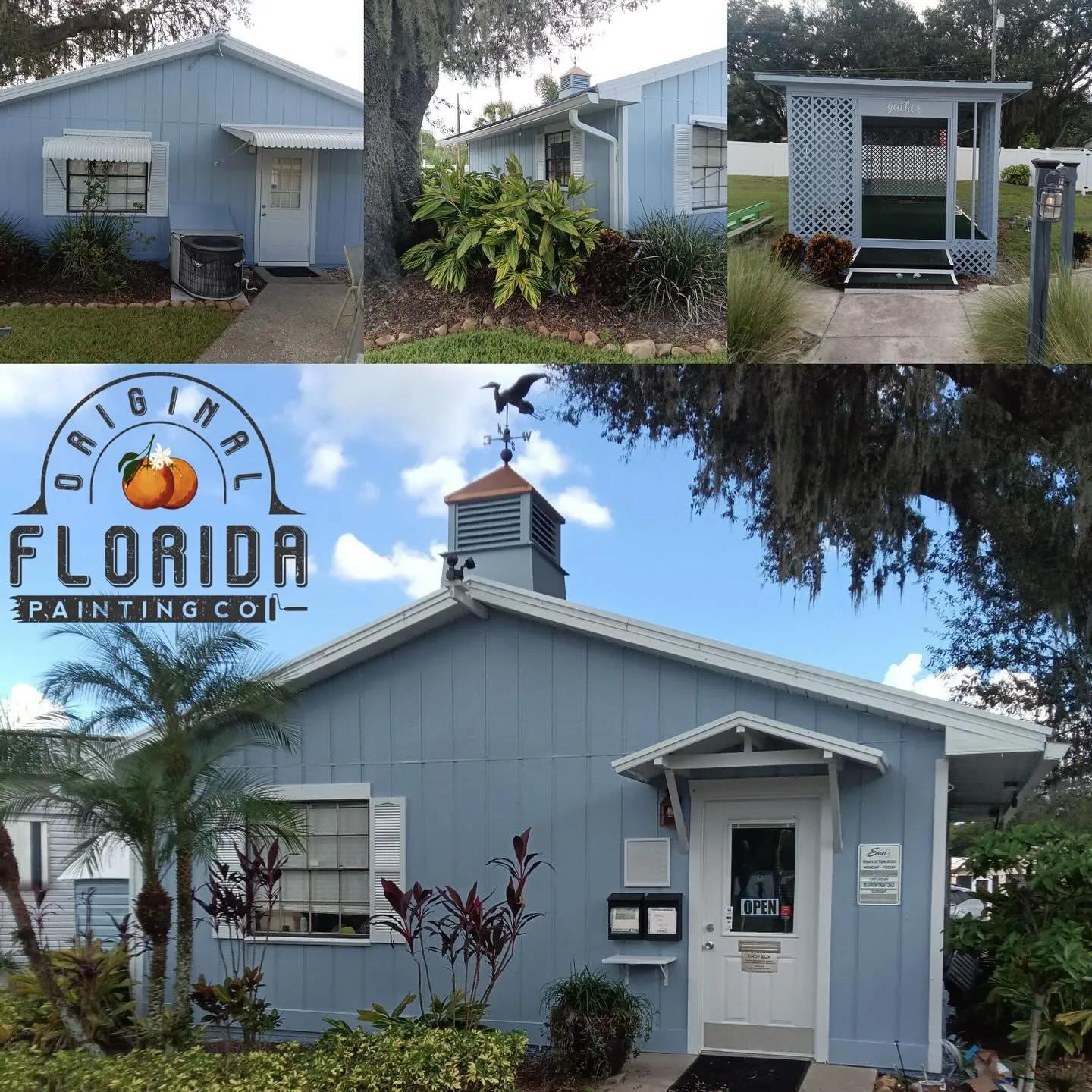
painting
Commercial Painting Riverview refers to painting services designed for business properties such as offices, retail stores, restaurants, warehouses, medical facilities, and other commercial buildings in Riverview. Unlike residential painting, commercial projects often involve larger spaces, tighter schedules, specialized coatings, and the need to minimize disruption to daily operations. Understanding the process can help property owners and managers make informed decisions about preparation, materials, scheduling, and maintenance.
What Is Commercial Painting?
Commercial painting is the application of protective and decorative coatings to buildings and spaces used for business purposes. The work may include interior walls, exterior surfaces, ceilings, doors, trim, concrete, metal structures, and other architectural elements.
A commercial painting project usually involves several stages:
Property assessment – The surfaces, building condition, and project requirements are evaluated.
Surface preparation – Dirt, loose paint, stains, or damaged areas are addressed.
Priming – Primer may be applied where better adhesion or additional protection is needed.
Painting – Appropriate coatings are applied using brushes, rollers, sprayers, or specialized equipment.
Inspection – Surfaces are checked for coverage, consistency, and imperfections.
Cleanup – Equipment and materials are removed, leaving the work area ready for use.
The exact process depends on the property's size, surface condition, paint system, and intended use.
Why Does Commercial Painting Matter?
Paint does more than change the appearance of a commercial property. Properly selected and applied coatings can help protect surfaces from everyday wear, moisture, dirt, and environmental exposure.
Protects Building Surfaces
Exterior paint can provide a protective layer against weather conditions. Interior coatings can also help surfaces withstand regular contact, cleaning, and general workplace activity.
Supports a Professional Environment
Clean and well-maintained walls can contribute to an organized appearance. In workplaces where customers, employees, or visitors regularly enter the building, surface condition can be an important part of property maintenance.
Helps With Maintenance
Damaged or deteriorating paint can expose underlying materials. Addressing peeling, cracking, stains, or other surface problems early may reduce the need for more extensive repairs later.
Allows Specialized Coatings
Different commercial spaces may require different coating characteristics. For example:
High-traffic areas may benefit from durable finishes.
Kitchens may require coatings that tolerate cleaning.
Warehouses may need products appropriate for concrete or metal surfaces.
Exterior areas may require coatings designed for weather exposure.
Healthcare-related spaces may have specific cleaning and hygiene requirements.
Commercial Painting Riverview: Interior vs. Exterior Projects
Interior and exterior commercial painting projects have different requirements. Choosing materials based only on color or price can lead to unsuitable results.
Factor | Interior Painting | Exterior Painting |
|---|---|---|
Main concern | Appearance and durability | Weather resistance and protection |
Common surfaces | Drywall, wood, metal, ceilings | Stucco, concrete, siding, metal |
Environmental exposure | Limited | Sun, rain, humidity, temperature changes |
Preparation | Cleaning, patching, sanding | Cleaning, scraping, repairs |
Scheduling | Often planned around business hours | Influenced by weather |
Coating selection | Based on traffic and cleaning needs | Based on surface and climate |
A commercial property may require both approaches, particularly when exterior maintenance and interior renovations are planned together.
How to Choose the Right Paint and Finish

Paint selection should begin with the surface and purpose of the space rather than simply choosing a preferred color.
Consider Surface Type
Drywall, concrete, wood, metal, and masonry can have different preparation and coating requirements. Using a product intended for the wrong surface may affect adhesion and durability.
Consider Traffic Levels
A hallway, lobby, warehouse, and private office experience different levels of use. High-traffic areas may require coatings that can tolerate frequent cleaning and physical contact.
Consider Finish
Common finishes include:
Flat: Low sheen and useful for hiding minor surface imperfections.
Eggshell: Slightly more reflective and commonly used for interior walls.
Satin: More washable and suitable for areas with regular use.
Semi-gloss: Higher sheen and often used for trim, doors, and surfaces requiring frequent cleaning.
Gloss: Highly reflective and generally used selectively.
The most suitable finish depends on the room's function and maintenance requirements.
Common Mistakes in Commercial Painting
Even a straightforward painting project can experience problems when preparation and planning are overlooked.
Skipping Surface Preparation
Painting over dirt, loose paint, grease, or damaged surfaces can result in poor adhesion and uneven coverage.
Better practice: Inspect and prepare the surface before applying primer or paint.
Choosing Paint Based Only on Price
A lower initial material cost does not necessarily represent the best value. Coverage, durability, maintenance requirements, and application conditions should also be considered.
Ignoring Business Operations
Painting during busy customer hours can interfere with employees, visitors, equipment, or normal operations.
Better practice: Develop a schedule that considers business hours, access requirements, ventilation, and drying time.
Applying Too Many Coats Without Assessing Coverage
More coats are not automatically better. The required number depends on the existing surface, color difference, product specifications, and coverage.
Neglecting Repairs
Painting over cracks, water damage, deteriorated caulk, or damaged substrate can hide a problem temporarily without addressing its underlying cause.
Expert Tips for Planning a Commercial Painting Project
Good planning can make a commercial painting project easier to manage.
1. Inspect the Property First
Create a list of surfaces that need painting and identify areas requiring repairs or specialized preparation.
2. Define the Scope Clearly
Specify:
Interior or exterior areas
Surfaces to be painted
Approximate square footage
Required preparation
Number of colors
Desired finishes
Expected completion schedule
3. Coordinate With Building Operations
Consider employee schedules, customer traffic, deliveries, security requirements, and access to individual rooms.
4. Ask About Surface Preparation
Preparation can have a major effect on the finished coating. Clarify whether cleaning, sanding, scraping, patching, caulking, or priming is included.
5. Plan for Drying and Curing
Paint may feel dry before it has fully cured. Allow appropriate time before heavy cleaning, moving equipment against walls, or exposing surfaces to demanding conditions.
Best Practices for Commercial Painting

For Commercial Painting Riverview projects, several general practices can improve planning and maintenance:
Inspect surfaces before selecting coatings.
Use products appropriate for the substrate.
Follow manufacturer instructions for application and drying.
Protect floors, fixtures, furniture, landscaping, and equipment.
Maintain adequate ventilation when appropriate.
Schedule work around business operations.
Keep records of colors and coating products for future maintenance.
Address moisture and structural problems before painting.
Inspect completed surfaces under suitable lighting.
Establish a regular maintenance schedule.
These practices help separate a simple repainting job from a properly planned commercial maintenance project.
People Also Ask About Commercial Painting
How often should a commercial building be painted?
There is no universal schedule. Frequency depends on surface condition, weather exposure, traffic, coating quality, and the type of building. Regular inspections are more useful than relying on a fixed number of years.
What is the difference between commercial and residential painting?
Commercial painting generally involves larger properties, more complex scheduling, greater surface variety, and specialized operational requirements. Residential projects are typically smaller and focused on homes and living spaces.
Should commercial walls be primed before painting?
Primer is not required in every situation, but it can be useful for new surfaces, repaired areas, significant color changes, stains, or surfaces requiring improved adhesion.
Can a commercial building be painted while it is operating?
Often, yes. Work can sometimes be divided into sections or scheduled outside peak business hours. The appropriate approach depends on the building, occupants, ventilation, safety requirements, and project scope.
What type of paint is best for a commercial building?
There is no single best paint for every commercial property. The appropriate coating depends on the surface, location, traffic, cleaning requirements, environmental exposure, and desired finish.
FAQs
1. What surfaces can commercial painters work on?
Commercial painting can involve drywall, concrete, stucco, wood, metal, masonry, ceilings, doors, trim, and other properly prepared surfaces.
2. How long does a commercial painting project take?
Project duration varies according to building size, preparation requirements, number of surfaces, coating system, weather, and working hours.
3. Is surface preparation really necessary?
Yes. Cleaning, repairing, sanding, scraping, or priming when appropriate can improve adhesion and contribute to a more consistent finish.
4. How can businesses reduce disruption during painting?
Businesses can coordinate work during lower-traffic periods, divide the project into sections, temporarily relocate movable items, and communicate access restrictions in advance.
5. What should be considered before choosing paint colors?
Consider the property's purpose, existing design, lighting, maintenance needs, surrounding surfaces, and whether the selected colors need to remain consistent across multiple areas.
6. Does exterior commercial painting depend on weather?
Yes. Temperature, humidity, rain, wind, and surface moisture can affect preparation, application, drying, and curing.
7. How can painted commercial surfaces be maintained?
Regular cleaning, periodic inspections, prompt attention to peeling or damage, and keeping records of the original coating system can make future maintenance easier.
Commercial painting involves more than applying a new color to a building. Proper surface preparation, coating selection, scheduling, application, and maintenance all influence the outcome. Whether the project involves an office, retail space, warehouse, or another commercial property, understanding these fundamentals makes it easier to plan the work and identify potential issues before they become costly.
For businesses researching Commercial Painting Riverview, a practical starting point is to assess the property's surfaces, operational requirements, environmental conditions, and maintenance needs before selecting materials or establishing a project schedule.
Original Florida Painting
2556 Brimhollow Dr, Valrico, FL 33596
813-860-8661