

Cabinet Painting Brandon: A Practical Guide to Refreshing Kitchen Cabinets

Kitchen cabinets influence the appearance, functionality, and overall feel of a kitchen. When cabinet doors become scratched, faded, outdated, or difficult to clean, homeowners often consider whether replacement is necessary. Cabinet Painting Brandon can be one approach to updating existing cabinetry while keeping the original cabinet layout.Understanding the painting process, preparation requirements, suitable materials, and maintenance considerations can help homeowners make informed decisions. Cabinet painting is not simply a matter of applying a new color; proper surface preparation and the right coating system are important for achieving a durable finish.
What Is Cabinet Painting?
Cabinet painting involves preparing existing cabinet surfaces and applying a coating designed for cabinetry. The process can include cleaning, sanding, repairing imperfections, priming, and applying one or more finish coats.
Unlike replacing cabinets, painting generally keeps the existing boxes, doors, and hardware. This can be useful when the cabinets are structurally sound but their appearance needs updating.
Cabinet painting may be suitable for:
Solid wood cabinets
Wood veneer cabinets
Medium-density fiberboard (MDF) components
Previously painted cabinets
Certain laminate surfaces when properly prepared
However, not every cabinet material responds equally well to paint. A surface assessment should be completed before selecting a coating or preparation method.
When Should Cabinets Be Painted?
Several signs can indicate that painting may be worth considering.
The Cabinets Are Structurally Sound
Painting is generally more practical when cabinet doors, frames, and boxes remain stable and functional. Loose joints, severe water damage, extensive swelling, or significant deterioration may require repairs or replacement before painting.
The Finish Looks Dated
Cabinets can remain functional while their color or finish no longer matches a home's interior. Changing the coating can alter the visual character of the kitchen without changing the basic cabinet configuration.
The Surface Has Minor Wear
Small scratches, faded areas, and ordinary surface wear can often be addressed during preparation. More serious damage should be evaluated separately.
Cabinet Painting vs. Cabinet Replacement
Homeowners often compare painting with replacing the cabinetry entirely. Each option has different advantages and limitations.
Consideration | Cabinet Painting | Cabinet Replacement |
|---|---|---|
Existing layout | Usually retained | Can be redesigned |
Structural condition | Works best with sound cabinets | Suitable when cabinets are severely damaged |
Appearance | Changes color and finish | Allows completely new cabinetry |
Construction work | Generally less extensive | Usually more extensive |
Customization | Primarily finish and hardware | Cabinet style, size, layout, and materials can change |
Preparation | Requires detailed surface preparation | Requires removal and installation |
Suitable for | Cosmetic updates | Major kitchen renovations |
The appropriate choice depends on cabinet condition, desired changes, kitchen layout, and renovation goals.
The Cabinet Painting Process
A successful cabinet painting project usually begins well before the first coat of paint is applied.
1. Inspection and Planning
The first step is to inspect cabinet doors, drawer fronts, frames, and exposed surfaces. The existing material and finish should be identified because they affect preparation and product selection.
Homeowners should also decide whether they want to paint only the doors and drawer fronts or include cabinet frames and other visible surfaces.
2. Cleaning and Degreasing
Kitchen cabinets commonly collect cooking oils, grease, dust, and cleaning-product residue. Paint does not adhere reliably to contaminated surfaces.
Thorough cleaning and degreasing are therefore essential. After cleaning, surfaces should be allowed to dry completely before further preparation.
3. Removing Hardware
Handles, knobs, hinges, and other removable hardware should generally be taken off before painting. Removing these components helps create cleaner edges and reduces the likelihood of getting coating on hardware.
Labeling doors and hardware during removal can also make reinstallation easier.
4. Surface Preparation
Preparation may include sanding, scuffing, filling small imperfections, and removing loose or failing finishes. The objective is to create a clean, stable surface that allows the primer and finish coats to bond properly.
The amount of preparation depends on the existing coating and cabinet material.
5. Priming
Primer can improve adhesion and help create a consistent foundation for the finish coat. It is particularly important when dealing with difficult surfaces, stains, or significant color changes.
The primer should be compatible with both the existing cabinet surface and the selected finish coating.
6. Applying the Finish
Cabinet coatings can be applied using suitable brushes, rollers, or spray equipment. The method depends on the product, cabinet design, and desired appearance.
Thin, controlled coats are generally preferable to heavy applications because excessive material can lead to drips, uneven texture, or prolonged drying.
7. Curing and Reassembly
Drying and curing are not necessarily the same thing. A coating may feel dry to the touch while still requiring additional time to develop its final hardness.
Cabinet doors and hardware should be reinstalled only after the coating has reached the appropriate stage recommended by the product manufacturer.
How to Choose a Cabinet Color
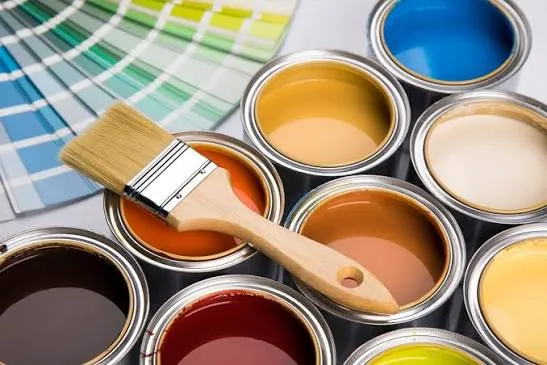
Color selection can affect how large, bright, or visually balanced a kitchen appears.
Light Colors
White, cream, and other light tones can create a brighter appearance and may work well in kitchens with limited natural light.
Neutral Colors
Gray, beige, taupe, and similar neutrals can provide flexibility when coordinating cabinets with countertops, flooring, and backsplashes.
Dark Colors
Deep blue, green, charcoal, or other darker shades can create stronger visual contrast. They may work particularly well when balanced with lighter walls or countertops.
Before committing to a color, test samples under different lighting conditions. Natural daylight and artificial lighting can make the same color appear noticeably different.
Tips for a More Durable Cabinet Finish
For homeowners considering Cabinet Painting Brandon, durability should be considered alongside appearance.
Clean the Surface Properly
Grease and residue can interfere with adhesion. Cleaning should be treated as part of the coating process rather than an optional preliminary step.
Do Not Skip Preparation
Sanding, repairing, and priming can take considerable time, but these steps influence how well the finished coating performs.
Use Cabinet-Suitable Coatings
Walls, ceilings, and cabinetry experience different levels of handling. Cabinet surfaces benefit from coatings designed to withstand regular contact and cleaning.
Allow Adequate Curing Time
Avoid repeatedly opening, closing, or cleaning newly coated cabinets before the finish has sufficiently cured.
Use Gentle Cleaning Methods
Once cured, cabinets should generally be cleaned according to the coating manufacturer's recommendations. Abrasive cleaners and aggressive scrubbing can damage some finishes.
Common Mistakes to Avoid
Several mistakes can reduce the quality or longevity of a cabinet painting project.
Painting over grease: Contamination can cause adhesion problems.
Skipping primer when it is needed: Certain surfaces require a suitable bonding layer.
Applying excessively thick coats: Heavy coats can produce runs, uneven texture, and slow curing.
Ignoring damaged wood or MDF: Painting over structural problems does not correct them.
Reinstalling hardware too soon: Handling uncured surfaces can leave marks or damage the finish.
Choosing color without testing: Lighting can significantly affect how a cabinet color looks.
Is Cabinet Painting Suitable for Every Kitchen?
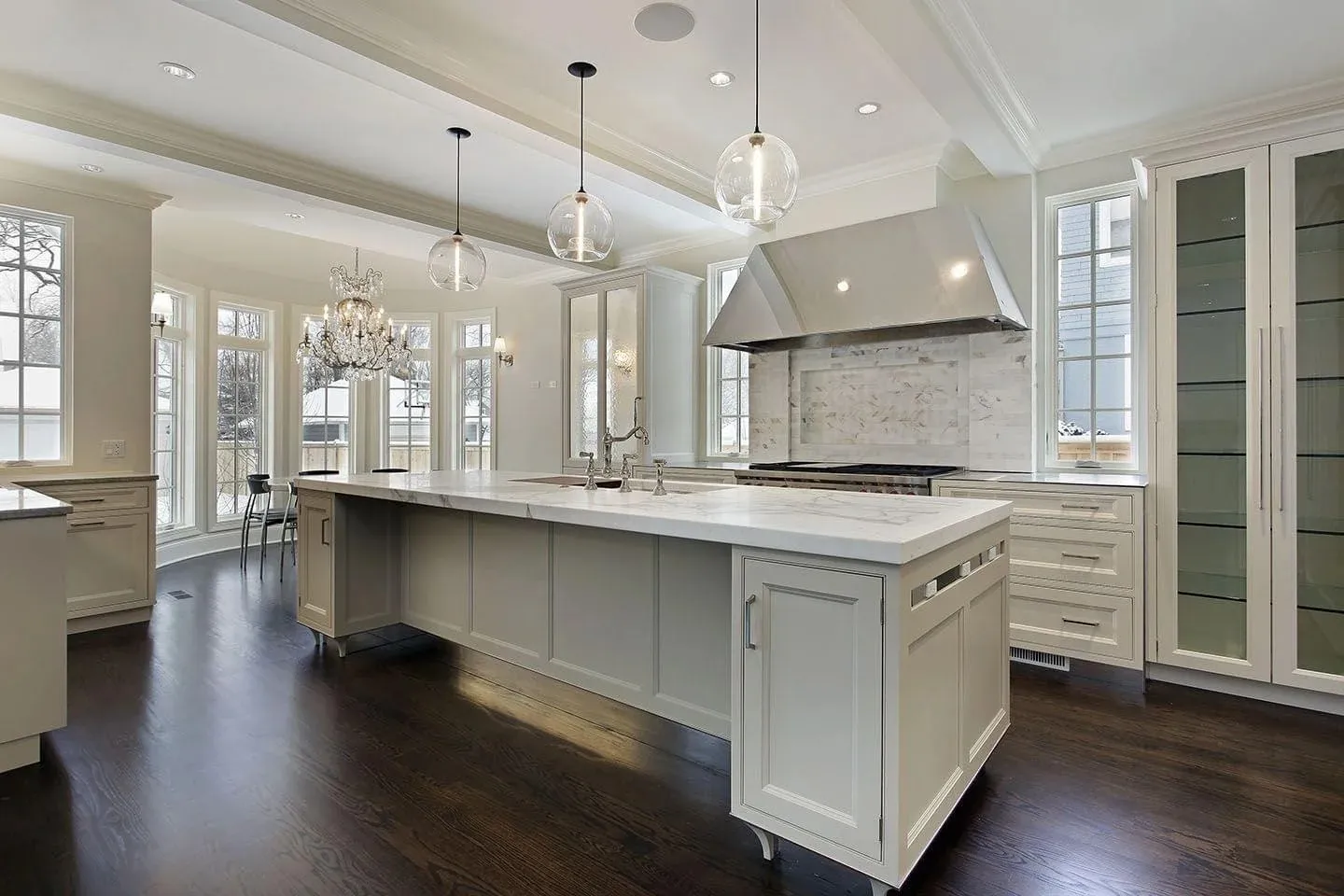
No. Cabinet painting is most appropriate when the existing cabinetry is structurally usable and the desired change is primarily cosmetic.
Replacement may be more appropriate when cabinets have extensive water damage, severe warping, deteriorated construction, inadequate storage, or a layout that no longer meets household needs.
A professional assessment can help determine whether painting, refinishing, repairs, or replacement is the more appropriate approach.
People Also Ask
1. How long does cabinet paint typically last?
A properly prepared and maintained cabinet finish can remain attractive for years, although longevity depends on cabinet use, coating quality, preparation, curing, and maintenance.
2. Can kitchen cabinets be painted without sanding?
Some specialized products may allow reduced sanding, but surface preparation is still important. The appropriate method depends on the existing finish and coating system.
3. Is it better to spray or brush cabinet paint?
Spraying can produce a smooth, uniform finish, while brushing and rolling can be practical for certain projects. The best method depends on the cabinet design, coating, and desired finish.
4. What color is best for kitchen cabinets?
There is no universally best color. White and other light neutrals can brighten a kitchen, while darker colors can provide contrast. Existing countertops, flooring, lighting, and personal preferences should be considered.
5. Can damaged cabinets be painted?
Minor surface imperfections can often be repaired before painting. However, severe water damage, warping, or structural deterioration may require more extensive repair or replacement.
FAQ About Cabinet Painting
Does cabinet painting change the kitchen layout?
No. Painting primarily changes the appearance of existing cabinetry. It does not normally change cabinet locations, dimensions, or storage capacity.
How long does the painting process take?
The timeframe varies according to the number of cabinets, preparation requirements, coating system, drying conditions, and whether doors are painted separately.
Can cabinet hardware be changed at the same time?
Yes. Replacing knobs, pulls, or handles can complement a new cabinet finish. Hardware should be installed only after the coating has adequately cured.
Should cabinet doors be removed before painting?
Removing doors and drawer fronts can make preparation and coating easier and can help produce cleaner results. Components should be labeled to simplify reassembly.
How should freshly painted cabinets be maintained?
Use gentle cleaning methods recommended for the specific coating. Avoid harsh abrasives and excessive moisture, and address spills promptly.
Cabinet painting can provide a practical way to change the appearance of a kitchen while retaining an existing cabinet layout. The most important factors are cabinet condition, thorough preparation, appropriate primer and coatings, careful application, and sufficient curing time.
Before starting a project, inspect the cabinetry carefully, determine whether repairs are needed, test potential colors, and review the maintenance requirements of the selected coating. For homeowners researching Cabinet Painting Brandon, understanding these fundamentals can make it easier to decide whether painting is appropriate for their kitchen.
Original Florida Painting.
2556 Brimhollow Dr, Valrico, FL 33596
813-860-8661